Landing at Haneda Airport is a delight for first-time visitors. Located only 20 km south of central Tokyo, the airport is dramatically closer to the city than Narita, meaning transfer times are shorter, options simpler, and mistakes less costly.
Landing at Haneda Airport: First Impressions
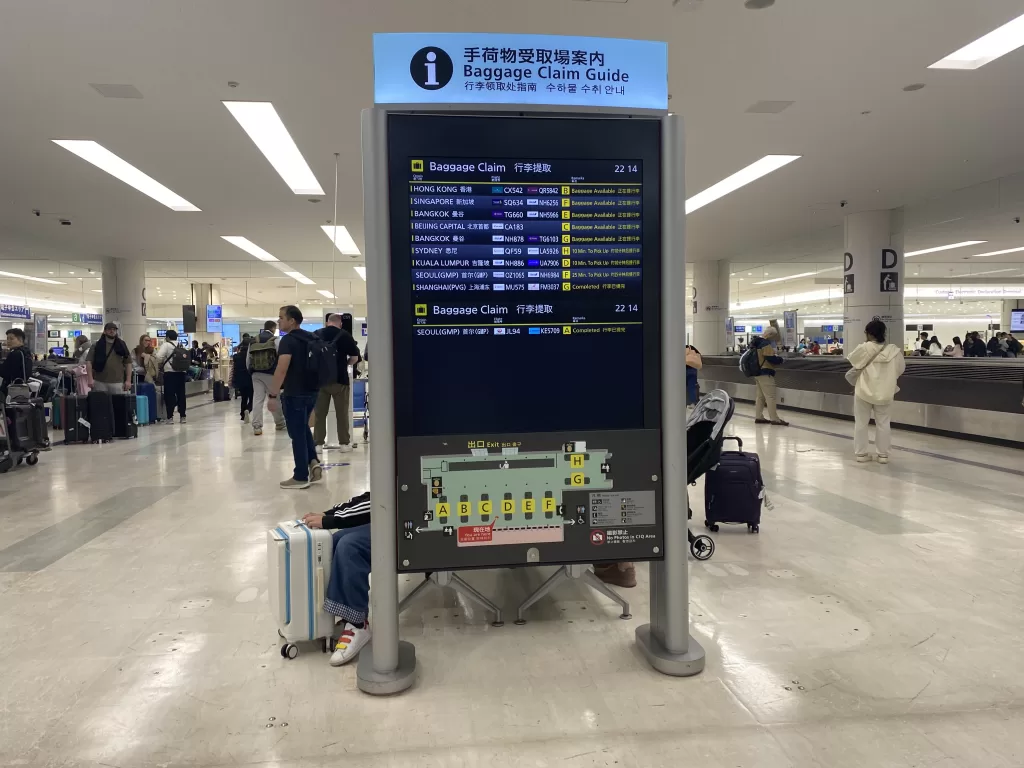
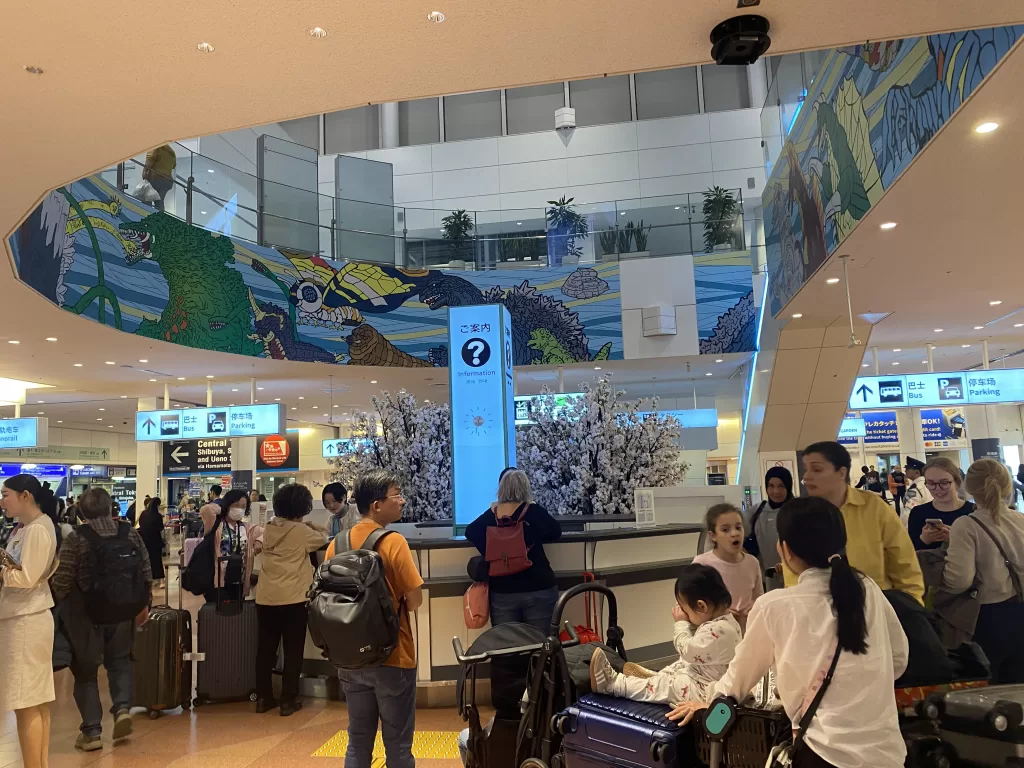
The terminal is modern, spacious, and clean. Free Wi-Fi is available throughout, and signs are clearly in English and Japanese. Baggage claim is quick, and travelers are immediately presented with options for reaching Tokyo - fewer in number than Narita, but easier to navigate.
Tip: If your itinerary allows a choice, flying into Haneda instead of Narita saves time and money, letting you start your trip with less stress and more energy. That extra hour can make a surprising difference. With an early arrival, it's entirely realistic to drop your luggage, enjoy breakfast in Tsukiji, spend the afternoon exploring Ginza and finish the day watching the skyline from the GINZA SIX rooftop garden, all without feeling rushed.
Haneda Airport: Location and Area
Officially Tokyo International Airport, Haneda is built on reclaimed land in Tokyo Bay. It has seen extensive international expansion since 2010, particularly for Asian routes and increasing European flights.
- Distance to central Tokyo: ~20 km
- Transfer time savings: 20–30 minutes vs Narita
- Convenience: Faster access to major hubs like Shibuya, Shinjuku, Tokyo Station
Personal Note:
One of Haneda's biggest advantages is that you can realistically be sightseeing before many international flights arriving at Narita have even reached central Tokyo. On a 7 AM arrival at Haneda, I was in my hotel room in Asakusa by 8:42 AM, leaving enough time to reach Senso-ji before the crowds arrived - a completely different experience from visiting later in the day. If you're staying around Ginza or Nihonbashi, attractions such as Art Aquarium Tokyo are easy to reach on your first day, while nearby districts like Asakusa make an excellent introduction to traditional Tokyo if you prefer temples and historic streets. Asakusa is just one of many districts with its own distinct character. If you're comparing areas before booking accommodation, this guide to where to stay and what to explore in Tokyo's neighbourhoods will help you find the best fit.
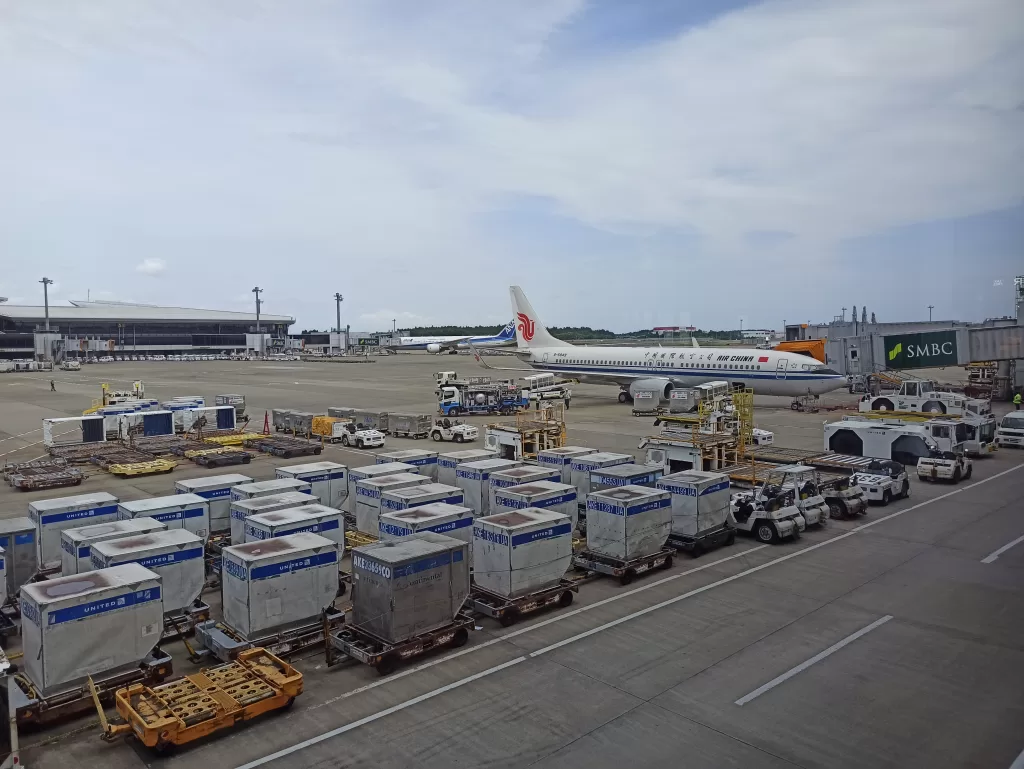
Getting from Haneda Airport to Tokyo: Detailed Guide
Haneda’s proximity to the city simplifies the transport question. Options include the Tokyo Monorail, Keikyu Line, Limousine Bus, and taxi, each with different advantages. Once you're in the city, Tokyo's rail network becomes your main form of transport. Understanding how JR lines, subways and IC cards work makes the rest of your trip considerably easier.
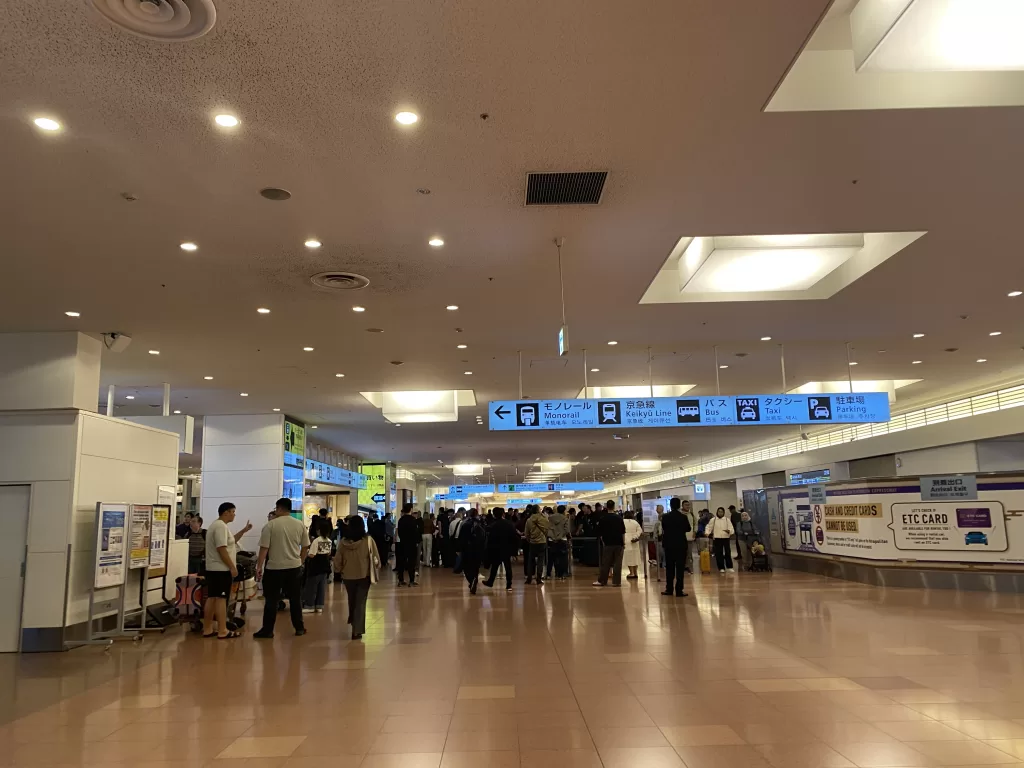
Option 1: Tokyo Monorail - Easy, Scenic, and Reliable
The Tokyo Monorail connects Haneda Terminal 1 & 2 (domestic) and Terminal 3 (international) to Hamamatsucho Station, which sits on the JR Yamanote Line.
Journey Time:
- Terminal 3 → Hamamatsucho: ~13 min
- Terminal 1/2 → Hamamatsucho: ~17 min
Fares:
- Terminal 3 → Hamamatsucho: ¥520
- JR Yamanote onward to Shinjuku/Shibuya: ¥170–¥200
- Total to Shinjuku/Shibuya: ~¥700 - ¥720
Discount Pass:
Monorail + JR Yamanote Ticket available at arrivals
Why choose Monorail:
- Fast, reliable, affordable
- Direct connection to the JR Yamanote loop (From Hamamatsucho it's easy to continue towards Ginza, Tokyo Station or connect with the rest of the Yamanote Line for neighbourhoods across the city.)
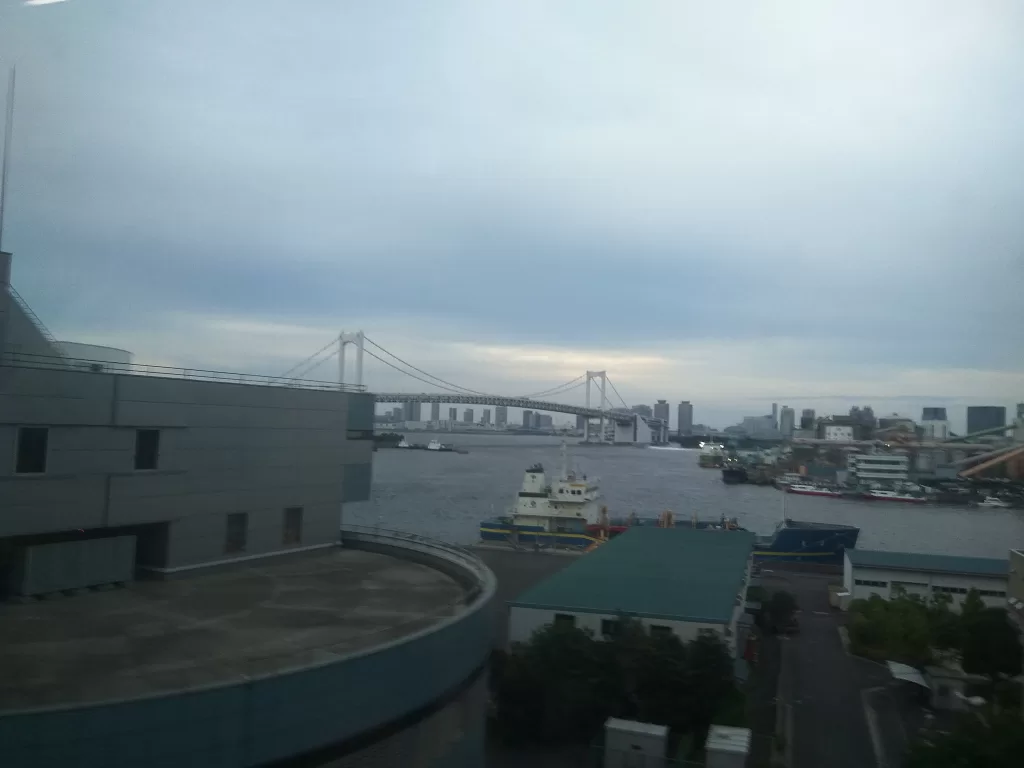
- Scenic views of Tokyo Bay and city skyline
Taking the Monorail on a sunny morning, I could see Rainbow Bridge and Tokyo Tower as I traveled - a gentle and scenic introduction to the city.
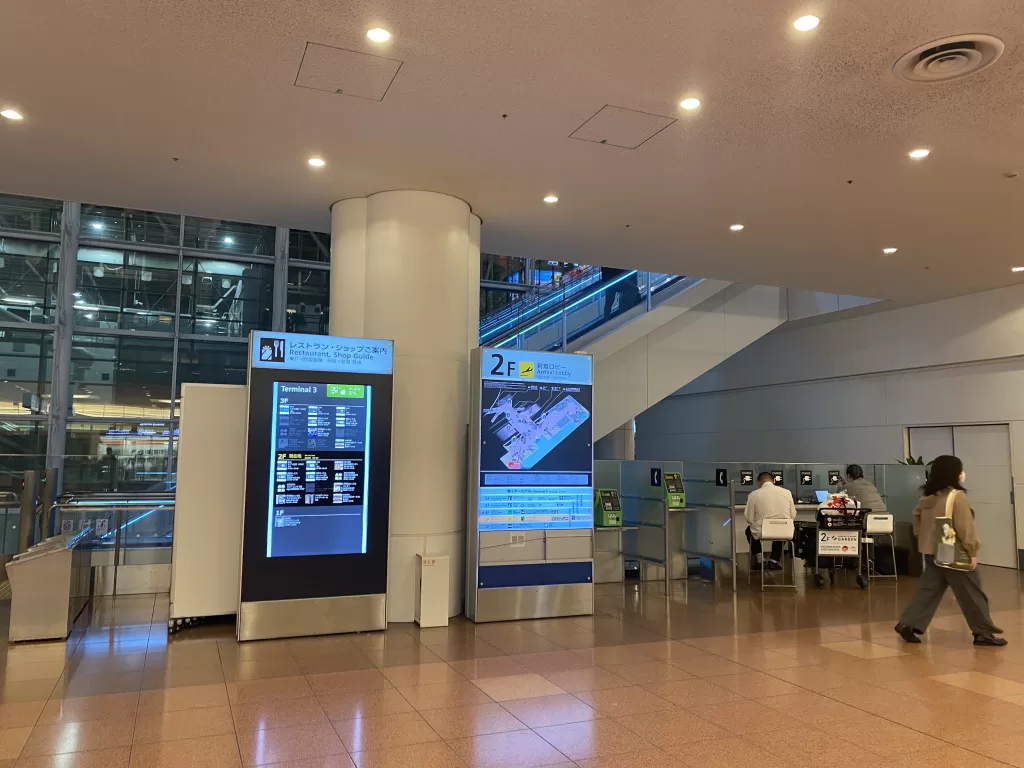
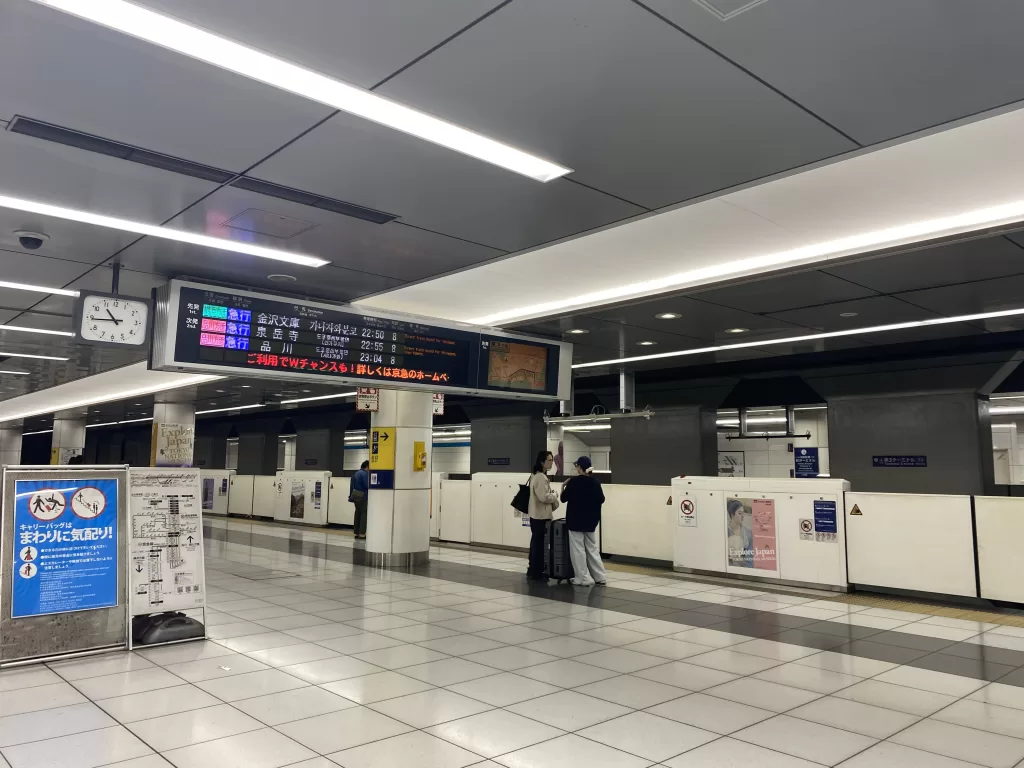
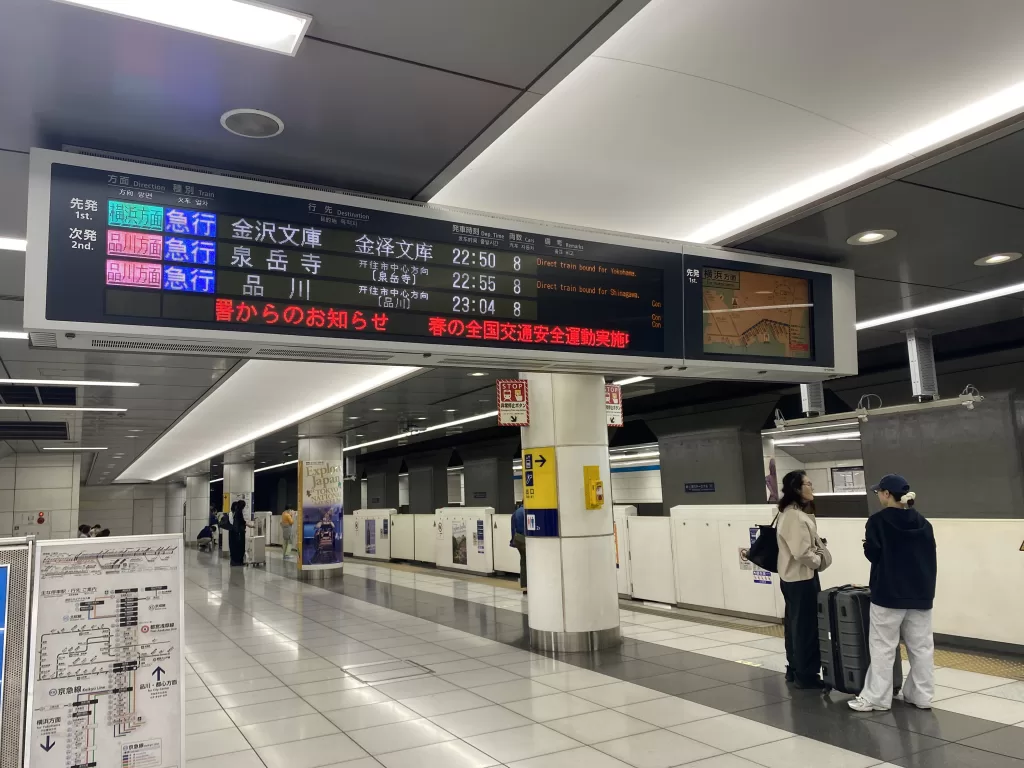
Option 2: Keikyu Line - Fastest Rail Connection
The Keikyu Line connects Haneda Terminal 3 directly to Shinagawa Station in ~11 minutes. From there:
- Tokyo Station: ~7 min via JR
- Shibuya / Shinjuku: direct JR connections
- Yokohama: ~24 min direct
Fares:
- Haneda → Shinagawa: ¥330
- JR onward: ¥180
- Total to Tokyo Station: ~¥510
Key Points:
- Fastest option for most central Tokyo destinations
- Not fully covered by JR Pass for the Haneda → Shinagawa segment
- Ideal for travelers heading directly to Yokohama or business districts
Tip:
For budget travelers or solo travelers, Keikyu + JR combination is both fast and cost-effective.
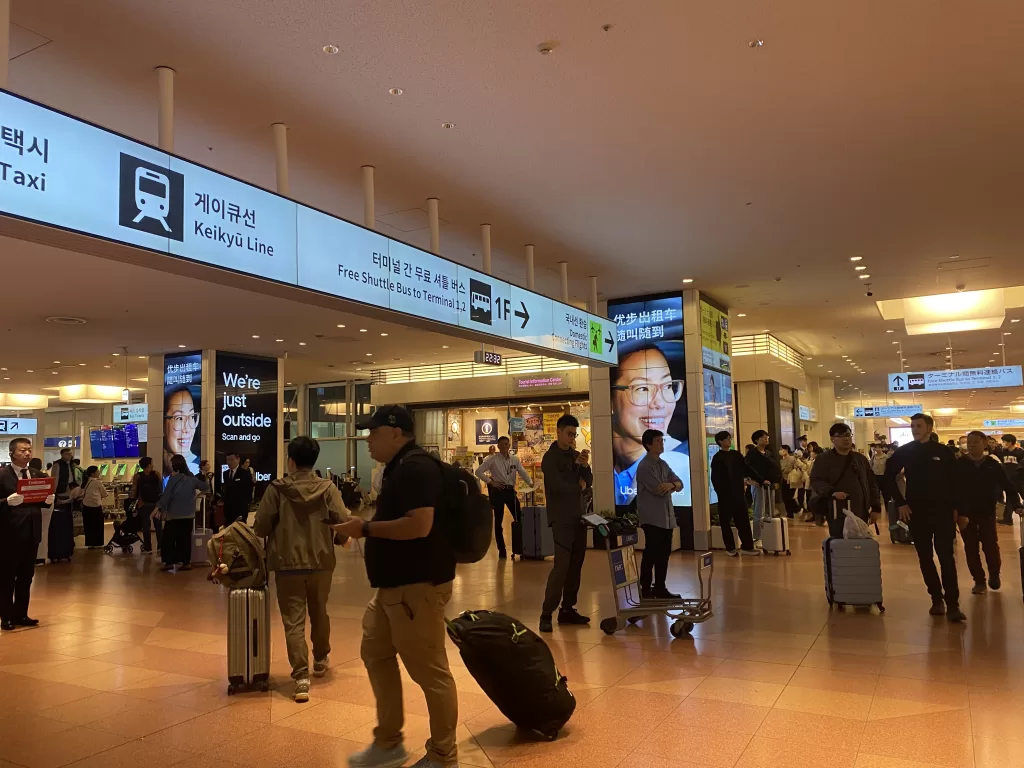
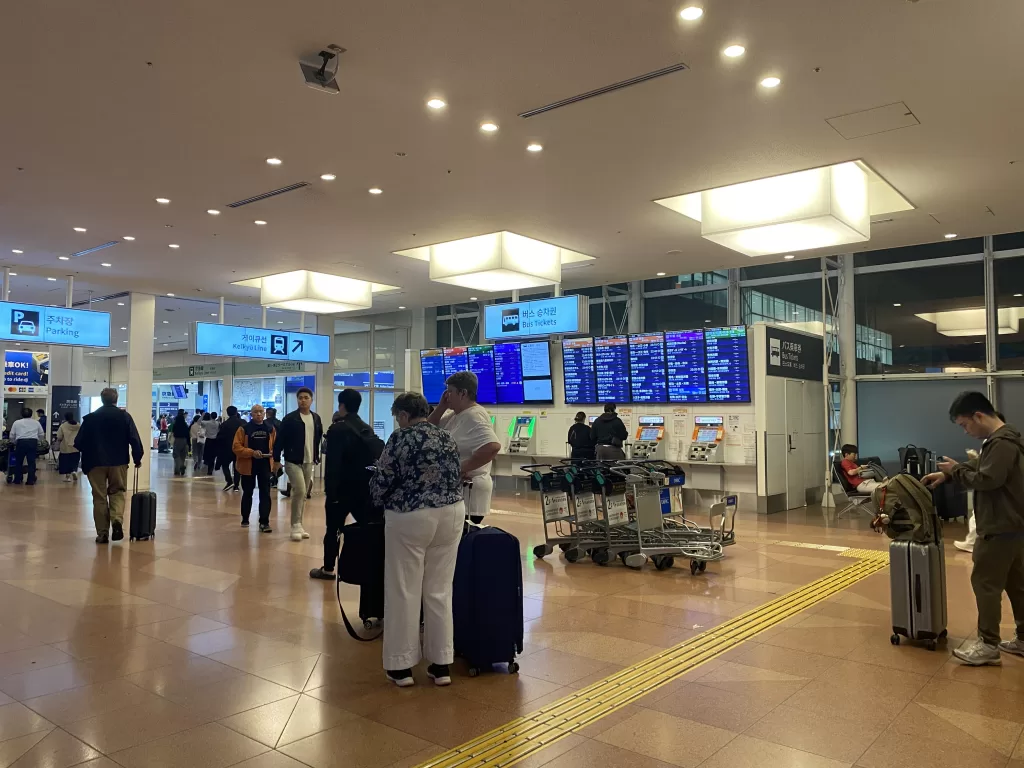
Option 3: Airport Limousine Bus - Convenient Door-to-Door
The Limousine Bus from Haneda is faster and more reliable than Narita’s, because traffic delays are minimal.
Fares & Times:
- T-CAT: ¥1,000 (~20 min)
- Tokyo Station: ¥1,200 (~30 min)
- Shinjuku Station: ¥1,400 (~25 min)
- Odaiba: ¥800 (~15 min)
- Hotels: ¥800–¥1,400 (15–85 min depending on location)
Why choose Bus:
- Handles multiple pieces of luggage easily
- Drops you directly at hotel or transport hub
- No reservations needed for most routes
Pro Tip: If your hotel is directly served by a Limousine Bus stop, this can save time and stress, especially with children or elderly travelers.
Option 4: Taxi from Haneda - Practical and Affordable
Unlike Narita, taxi fares from Haneda are manageable.
Fare:
~¥5,000–¥10,000 to central Tokyo, depending on traffic
Best For:
Couples, small families, late-night arrivals
Tip:
Use the GO taxi app for fixed-rate bookings and safety
Note:
Taxis are especially convenient for heavy luggage or direct hotel drop-off, when splitting fare among multiple passengers.
Discount Passes and IC Cards
1. Japan Rail Pass (JR Pass)
- Covers N’EX from Narita and JR trains throughout Japan, but Haneda Monorail/Keikyu segment not fully covered
- Ideal if visiting Kyoto, Osaka, Hiroshima, Hakone, etc.
- Not essential if staying only in Tokyo
2. Suica / Pasmo IC Cards
- Rechargeable IC cards accepted on all trains, subways, buses, and many shops
- Refundable deposit ¥500, load ¥3,000 - ¥5,000 for several days
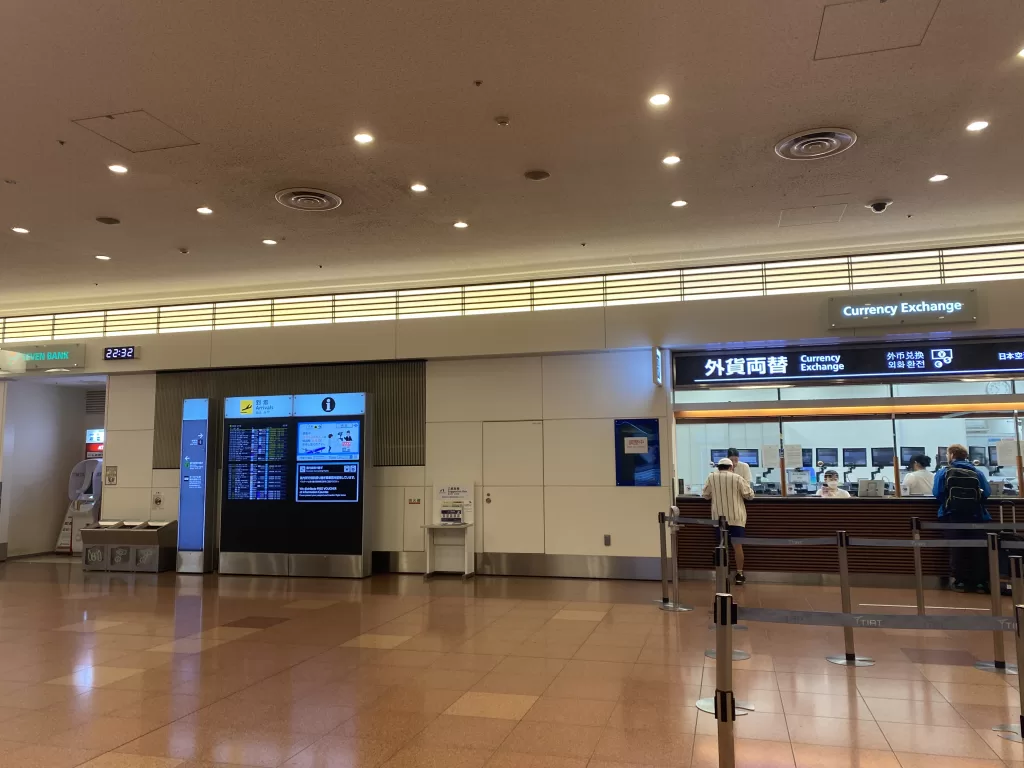
- Available at ticket machines in arrivals
- Works on Apple Pay / Google Pay, removing the need for physical cards
Digital Suica and PASMO make moving around Tokyo almost effortless, especially once you begin combining JR trains with the subway network.
They're also accepted at thousands of convenience stores and vending machines, making it easy to grab your first Japanes bottled green tea or snack without carrying coins. The simplest introduction to Japanese tea culture is picking up a bottle of unsweetened sencha or hōjicha from a convenience store or vending machine - something many visitors end up drinking every day.
Besides drinks, convenience stores are also surprisingly good places to try everyday Japanese food, including fresh sushi prepared several times a day.
3. Combination Passes
- Monorail + JR Yamanote Ticket: Single purchase covering the full journey to Hamamatsucho + central Tokyo
- Limousine Bus + Subway Pass: Bundled tickets available at arrivals
- Tip: Short-term visitors often benefit most from a Suica or Pasmo card, covering all local travel without calculating fares.
Haneda Transport Comparison
Monorail
Travel Time: 13 - 17 min + JR
Fare: ¥700 - ¥720
Luggage Friendly: Standard
JR Pass: Partial
Best For: Scenic, reliable, connects to Yamanote
Keikyu Line
Travel Time: 11 - 24 min
Fare: ¥510 - ¥610
Luggage Friendly: Standard
JR Pass: Partial
Best For: Fastest to Shinagawa/Yokohama
Limousine Bus
Travel Time: 15 - 85 min
Fare: ¥800 - ¥1,400
Luggage Friendly: Excellent
JR Pass: No
Best For: Hotel direct, families, heavy luggage
Taxi
Travel Time: 20 - 40 min
Fare: ¥5,000 - ¥10,000
Luggage Friendly: Excellent
JR Pass: No
Best For: Couples/families, late-night arrivals
Late-night arrivals? Consider spending your first night at a manga café
If your flight lands after the last trains, or you simply want to avoid paying for an expensive airport hotel, Japan's manga cafés (manga kissa) can be an excellent temporary solution. Many are open 24 hours and provide private booths, showers, Wi-Fi, charging points and unlimited soft drinks, making them a surprisingly comfortable place to spend a few hours before catching the first morning train into the city.
If you're curious whether it's actually worth sleeping in one, read Sleeping in a Japanese Internet Café: Costs & Tips, where I cover prices, facilities, privacy, safety and what to realistically expect before booking your first night.
Practical Tips for Haneda Arrivals
- Travel light if possible: Monorail/Keikyu overhead racks handle standard luggage; Limousine Bus best for heavy baggage
- Check last train / bus times: Haneda operates 24 hours, but JR/Monorail schedules vary
- Luggage forwarding (takuhaibin): ¥1,500 - ¥2,500 per bag; convenient if using trains during rush hour (This is particularly useful if you're planning to spend your first day sightseeing instead of checking into your hotel immediately. Many visitors head straight to Ginza for lunch, Asakusa for an early temple visit, or Tokyo Station before continuing elsewhere.)
- Free Wi-Fi: Available throughout all terminals; connect before leaving to confirm routes, check IC card balances, or activate apps
- IC Cards: Suica/Pasmo accepted on Monorail, Keikyu, buses, subways, and many shops; digital wallet versions available
Where Should You Go First After Landing at Haneda?
If your flight arrives early, Haneda's location makes it possible to start sightseeing almost immediately.
- Asakusa rewards early arrivals with quiet temple grounds before the tour groups appear, making it one of the best first stops after an overnight flight.
- Ginza is ideal if you're looking for cafés, department stores, architecture and an easy introduction to Tokyo before hotel check-in.
- If you're travelling during spring, western Tokyo's Ome Flower Corridor offers one of the city's least-known seasonal day trips, while Chichibu Shibazakura Fields become one of Japan's most spectacular flower displays.